French group courses
The group courses are limited to a maximum of six people. Three online courses are offered for levels A2, B1 and B2. The common thread running through them is a selection of paintings from the Musée d’Orsay. Art is really only a starting point. The paintings provide us with an opportunity to explore fascinating topics that affect us all, to read, listen to or watch material on these topics, and to engage in discussion about them. There’s also a group course over the Easter holidays in Dijon...
Course Orsay
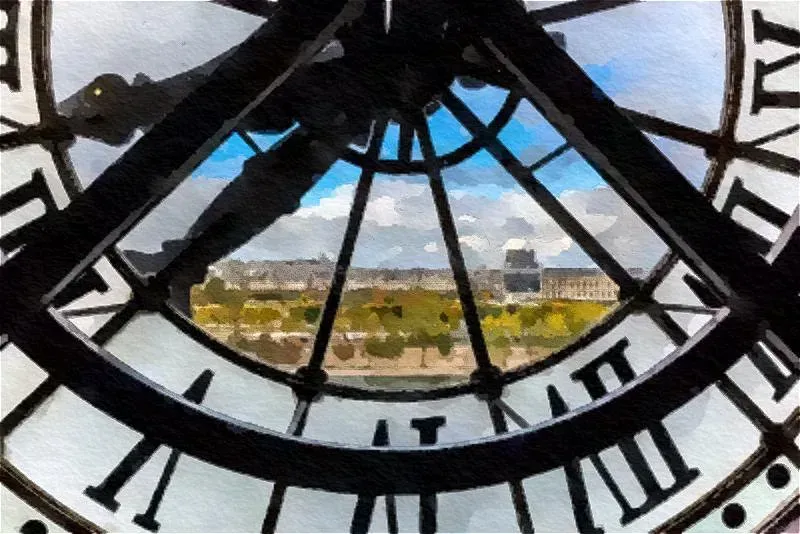
Online group course featuring paintings from the Musée d'Orsay: Each topic begins with a painting that we discuss.
Spring
16 lessons, A2, B1 and B2
Five themes drawn from everyday life, each illustrated by a painting from the Musée d’Orsay. In the spring, we will begin with an impressive painting by Frédéric Bazille, in which he has depicted himself with his family. It shows a middle-class family at their holiday home. The hierarchy is clearly evident. The father, Gaston Bazille, sitting cross-legged, does not look towards the viewer, unlike all the other figures. He adopts a relaxed pose, and a sense of authority is evident on his face. How has the parent-child relationship evolved over time? What does family mean to you? We’ll listen to some songs on this theme. We will then explore other everyday themes and round off the season in June with the theme of holiday. I’d like to suggest that, to round things off, we meet up on a voluntary basis on the evening of 29 June at a restaurant in Paris and visit the Musée d’Orsay the following day!
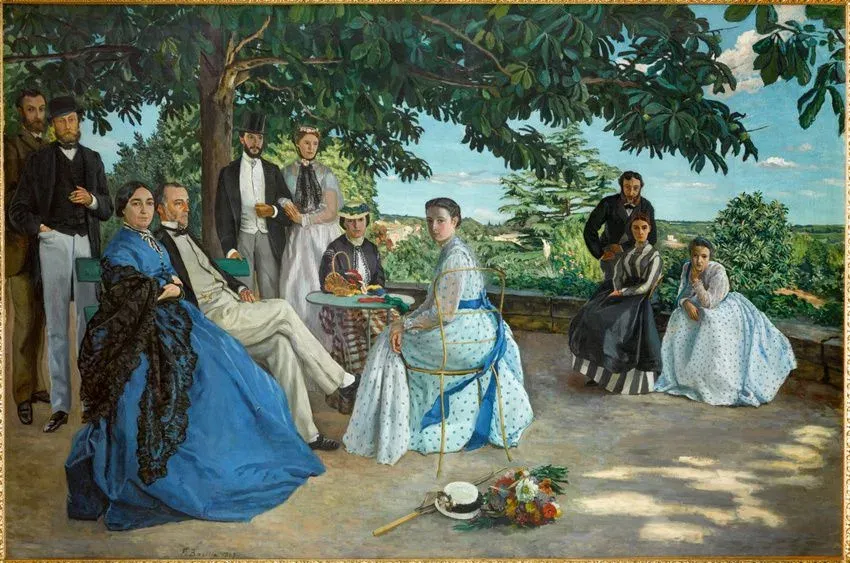
Frédéric Bazille, Réunion de famille, 1867 La famille
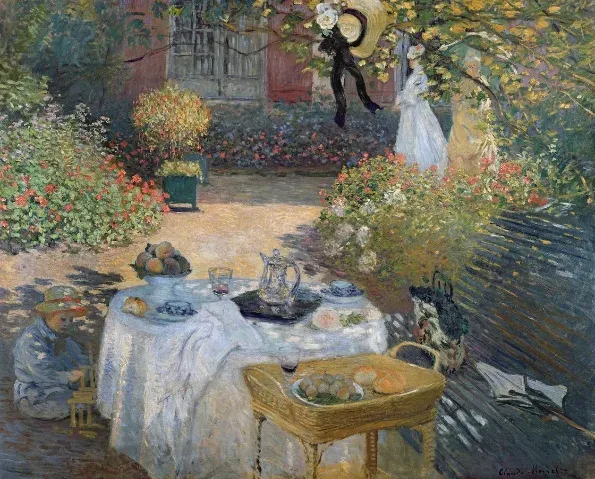
Claude Monet, Le Déjeuner, 1873 La table
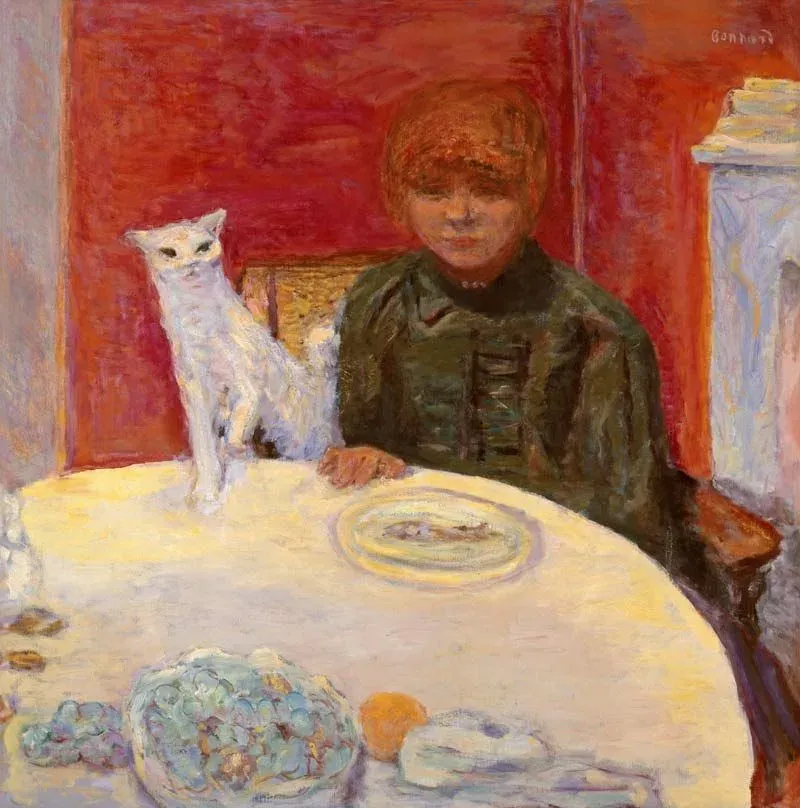
Pierre Bonnard, La Femme au chat, 1912 Les animaux de compagnie
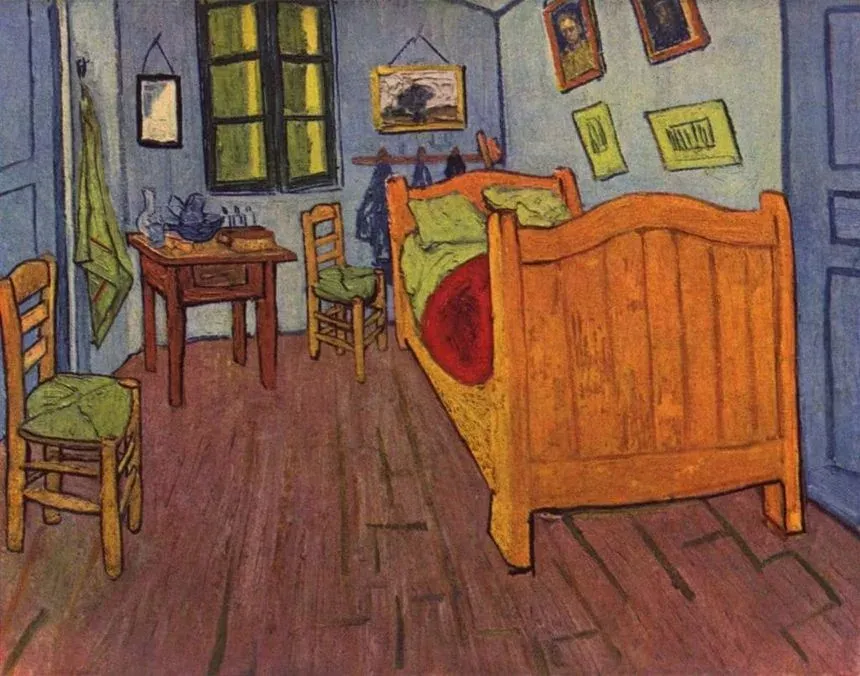
Vincent van Gogh, La Chambre à Arles, 1888 L'habitat
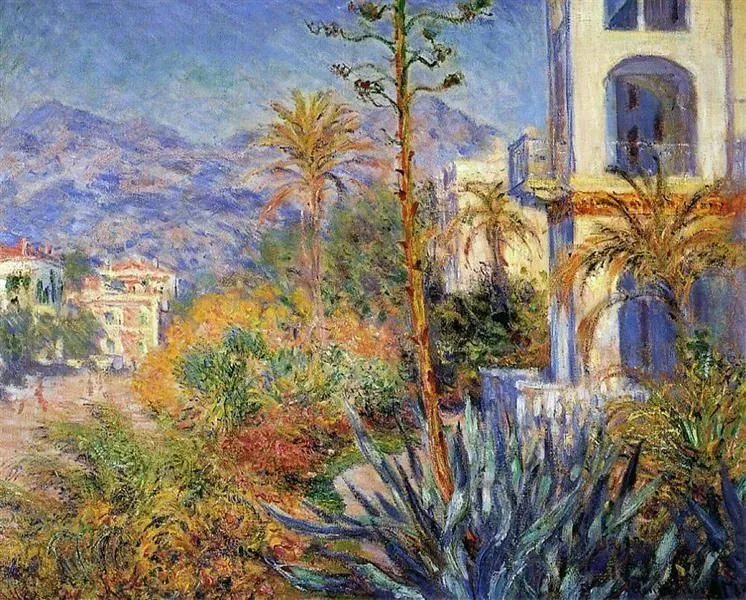
Claude Monet, Villa à Bordighera, 1884 Les vacances
Autumn-Winter
24 lessons, A2, B1 and B2
In this extended season, we will be discussing seven themes, ranging from work to love, each accompanied by one or two paintings from the Musée d’Orsay. After the holidays, we’ll be exploring the theme of work with Edouard Vuillard’s painting depicting the fashion designer Jeanne Lanvin. Who was Jeanne Lanvin? How much time does work take up – or did it take up – in your life? After that, we’ll move on to six further themes. Have a look at the pictures. You will receive the full programme in good time.
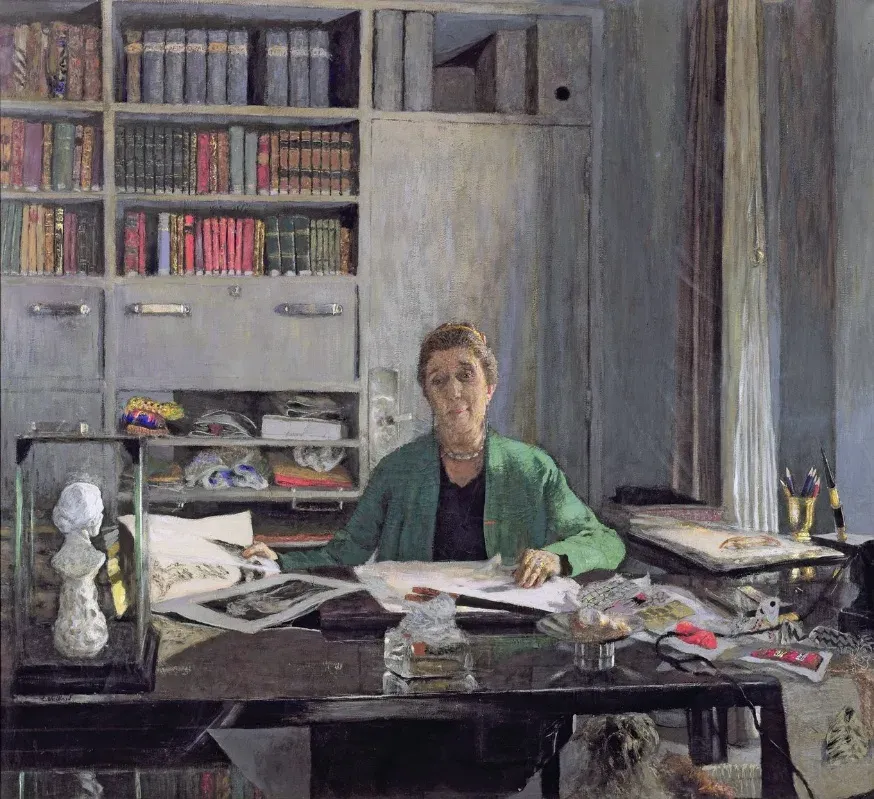
Édouard Vuillard, Jeanne Lanvin, 1933 Le travail
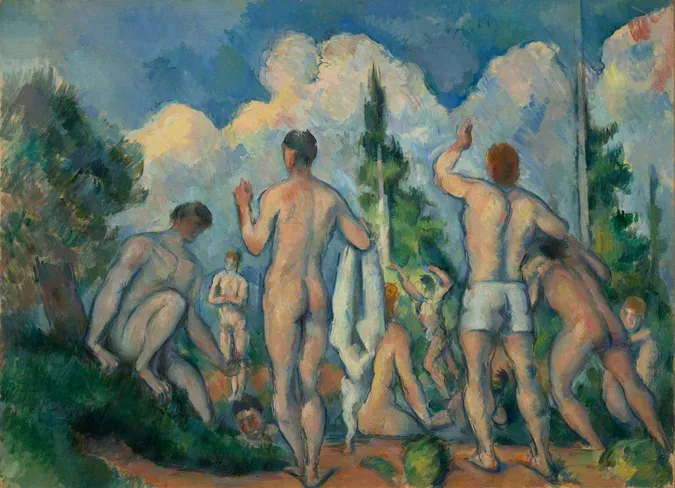
Paul Cézanne, Baigneurs, 1890 Les loisirs
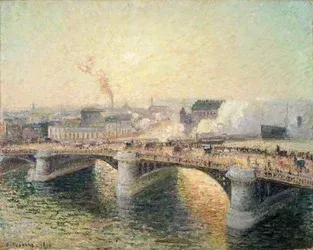
Camille Pissarro, Le Pont Boïeldieu à Rouen, 1896 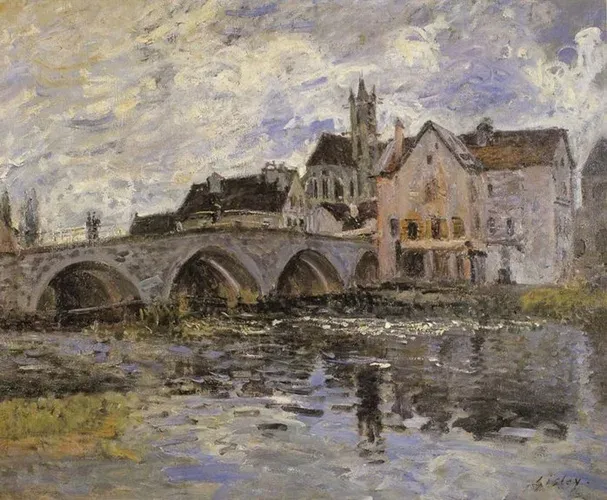
Alfred Sisley, Le Pont de Moret, effet d'orage, 1887 Ville ou campagne ?
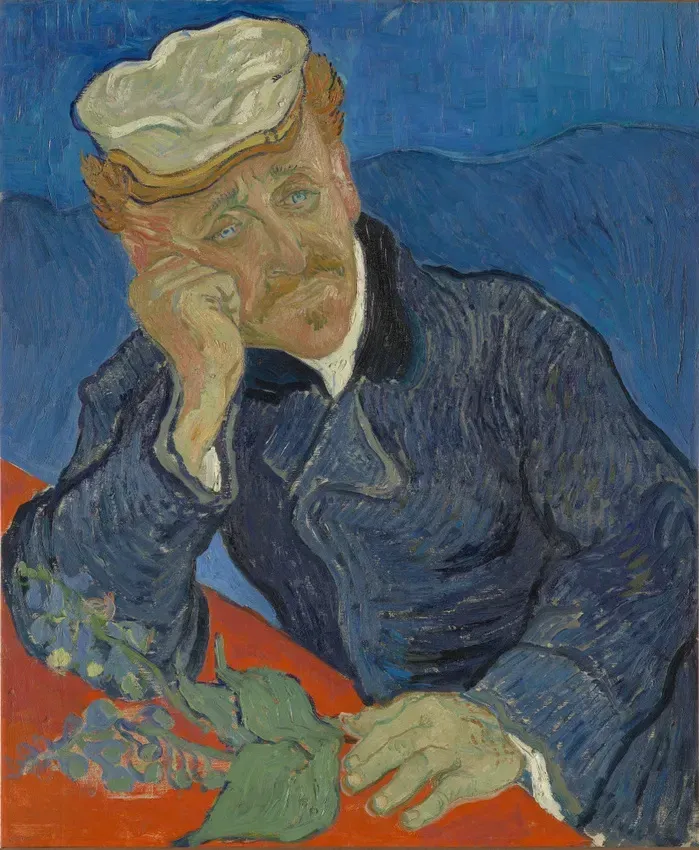
Vincent van Gogh, Le Docteur Paul Gachet, 1890 La santé

Gustave Doré, La Nuit de Noël, encre noire et gouache, sans date Le calendrier
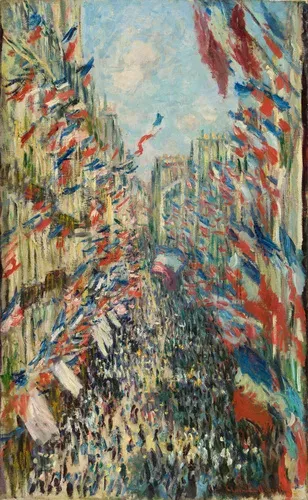
Claude Monet, La Rue Montorgueil, à Paris. Fête du 30 juin 1878 La vie en société
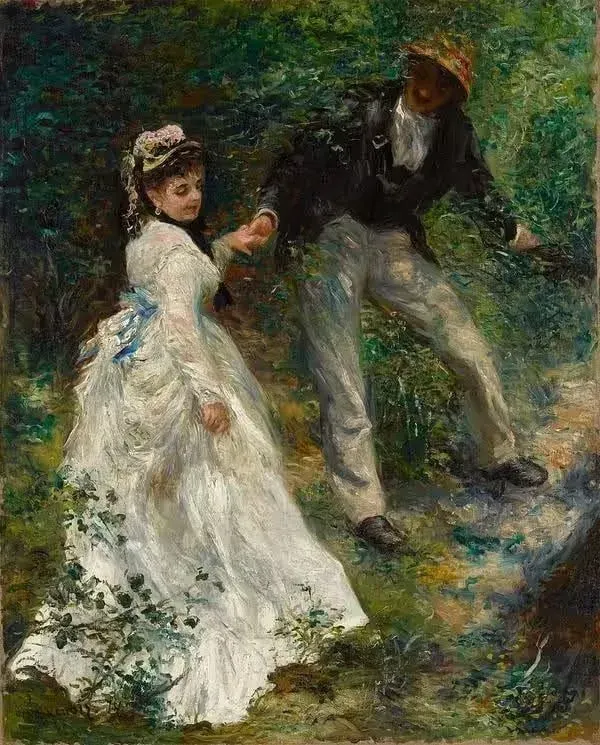
Auguste Renoir, La Promenade, 1870 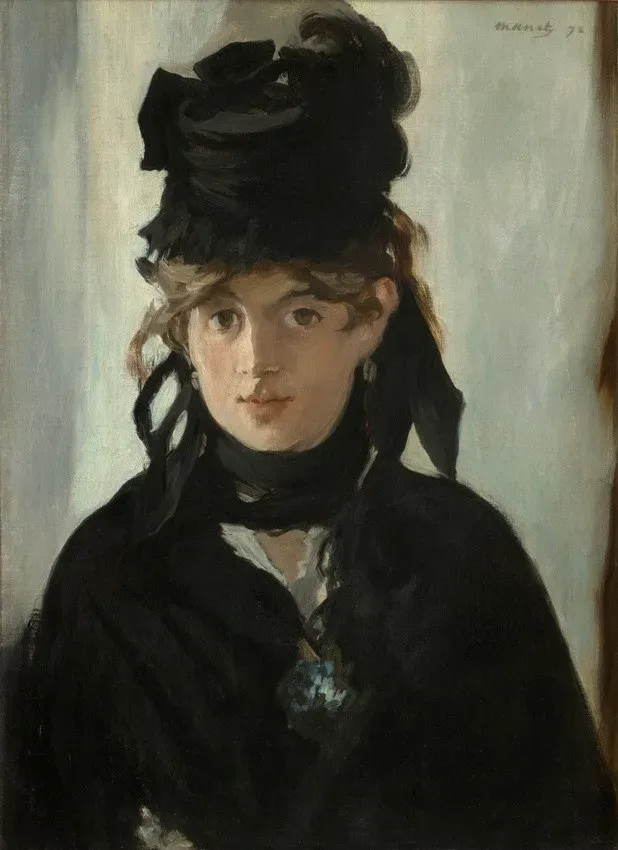
Édouard Manet, Berthe Morisot, 1872 Amour et amitié
Dijon over easter
Would you like to explore the city in a group with a tutor who’ll guide you and teach you the finer points of the language at the same time? I’ve put together a one-week course. You’ll have plenty of time to arrive at your leisure on Saturday 27 April. We’ll meet up in the evening at a restaurant. The first lesson starts on Sunday in my living room. Then, throughout the week, I’ll take you on some surprising and exciting tours. The final lesson will be on Friday. Our time together ends on 2 April.
Easter 2027
Here you can find out about the town’s history, its sights, the people who have shaped it, and its specialities. You can also learn about the importance of the food and drink scene, traditional crafts and contemporary artists.
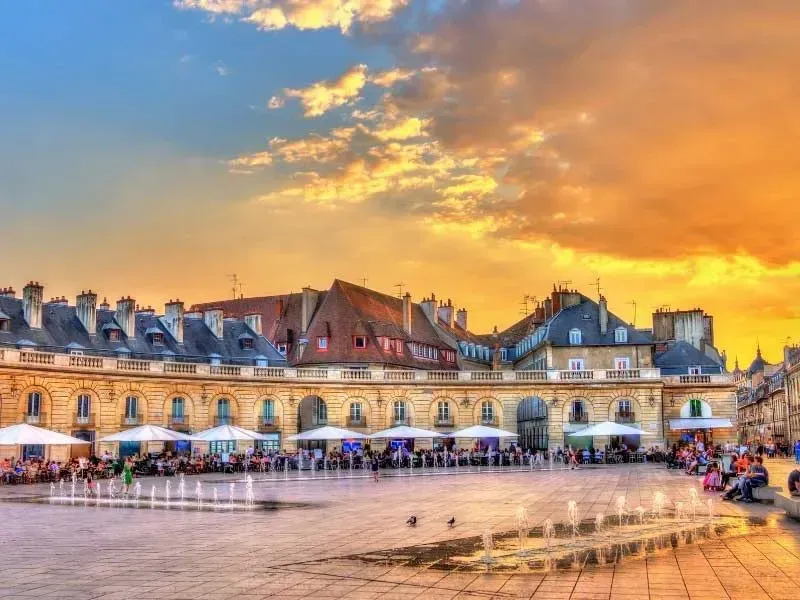
heritage and history 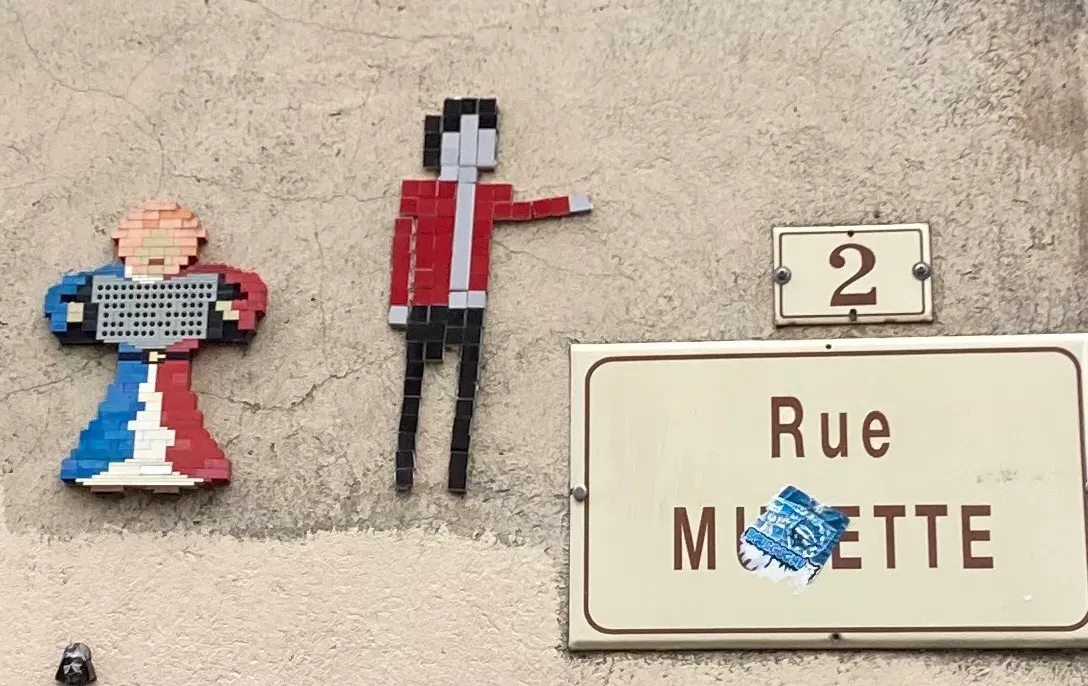
street art 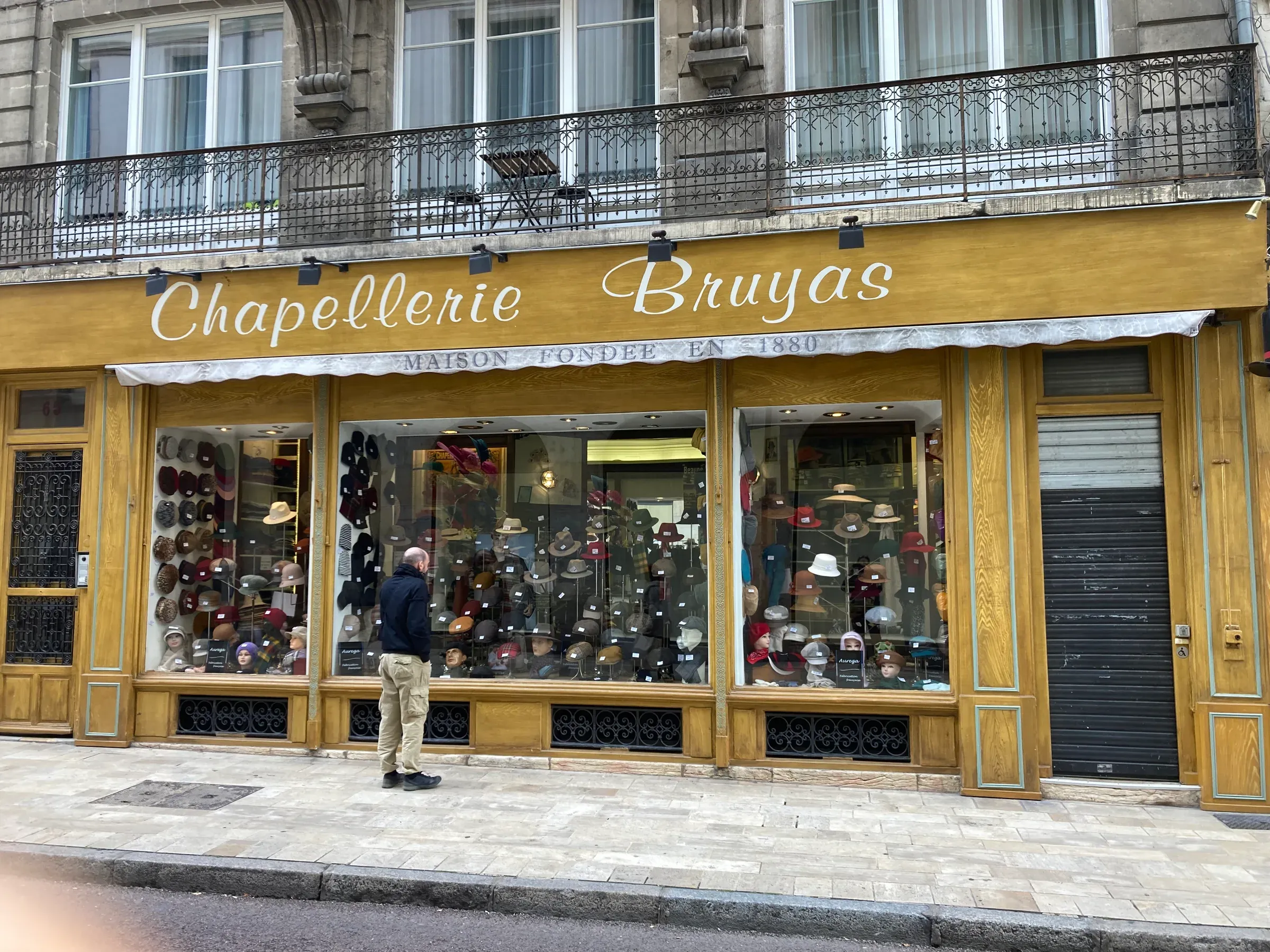
crafts such as hat-making 
Gastronomy Dijon
the city of the Dukes of Burgundy, but that’s not all...
Questions that come up before the first call.
I do not know my level. Is that a problem?
No. During the introductory chat, we’ll have a quick listen, and I’ll send you a test so that I can assess your level against the Common European Framework of Reference for Languages. The gauge further up this page gives you an idea beforehand.
How does a lesson work?
In the face-to-face course, a large part of the lesson is spent discussing topics that interest you (all of you). You will be given materials to work on between lessons. In the group courses, interaction between the learners also plays a major role. The annual theme – or the history of the town where the immersion course takes place over Easter – serves as the central theme. All skills are practised during the course.
Do you only offer language stays in Brittany?
I’m from Douarnenez. Hence Brittany. It makes sense, too, because I know the area very well and it really is beautiful. Once a year, I organise an immersion course over Easter in a town of my choice. In 2027, it’ll be Dijon’s turn!
Can I just practise speaking?
Speaking is always at the centre. But it does not work entirely without structure: whoever understands a few rules speaks freely sooner. I keep grammar as small as possible and as large as necessary.
Are lessons only online?
Mainly, yes. Both one-to-one lessons and group courses are held online. One-to-one lessons can also take place in Berlin Schöneberg from October to June. However, in the summer I offer a two-week language stay in Douarnenez in Brittany and a group course in other towns over the Easter holidays.
How do the online group courses work?
Every week you meet online for 90 minutes with the same group of up to six people at your level. You prepare the lesson, then we practise together. The thread is ten paintings from the Musée d'Orsay that lead us through everyday themes. The first season starts in March 2027 with A2. B1 and B2.
Are the group classes only offered at the times listed?
I’m suggesting three times. But if anyone’s interested and would like to suggest other times, and we can put together a group of at least four learners, then why not? Feel free to email me or book a 15-minute chat. Group courses in France are only held over the Easter holidays.
How do I pay?
Payment by bank transfer upon receipt of the invoice, per package. If you have any questions about payment by instalments, please just get in touch. The language course is booked once I have received the deposit (half the total amount).
What happens in the introductory call?
Fifteen minutes by video call. You tell me where you want to go, I tell you honestly whether one-to-one, group or Brittany fits. Then you decide at your leisure.
Do you also prepare for the Abitur?
Yes. In July and August there is an online crash course of eight double lessons for the oral exam. I know the syllabi of several German states and have coached many students through the exam.
15 minutes that make the start easier.
We talk briefly about your goal, your level and your everyday life. Afterwards you know whether one-to-one, group or Brittany fits. Free, no obligation, by video call.
- Pick a slot in the calendar, confirmation arrives by email.
- 15 minutes by video call. No test, just a conversation.
- Prefer to write? bonjour@inspiringfrench.com